Walnuts

Cold Press Walnut Oil (Edible)

Edible cold-pressed walnut oil for premium culinary, foodservice, retail, ingredient and export applications where flavor identity and natural positioning matter.

Illustrated placeholder for Cold Press Walnut Oil (Edible)
Product overview

Cold press walnut oil (edible) from a California commercial workflow

Cold press walnut oil is typically positioned as a premium edible oil where flavor, aroma, natural image and packaging quality are central to the buying decision. Unlike commodity frying oils or highly standardized industrial oil streams, edible walnut oil is usually reviewed with stronger attention to sensory character, clarity, filtration level, pack appearance, label position, shelf presentation and storage discipline. Buyers frequently evaluate it not only as an oil, but as a specialty food product or premium ingredient that must support a defined commercial story in the market.

Within a California-origin supply conversation, cold press edible walnut oil programs are commonly structured around intended application, pack format, volume profile, destination market and the degree of product finishing required before filling. Retail buyers may focus on bottle presentation, label compatibility, premium shelf positioning and consumer-facing quality cues. Foodservice and ingredient buyers may focus more on consistent flavor profile, bulk or semi-bulk pack practicality, kitchen or plant handling, and how the oil performs in dressings, sauces, marinades or finishing applications.

Atlas Global Trading Co. reviews cold press walnut oil requirements as technical-commercial programs. A strong inquiry usually identifies the intended use, whether the oil is for retail, foodservice or ingredient purposes, the required packaging format, expected order rhythm, destination market, shelf-life expectations, labeling direction and any special notes related to filtration preference, visual appearance, export documentation or private label launch timing.

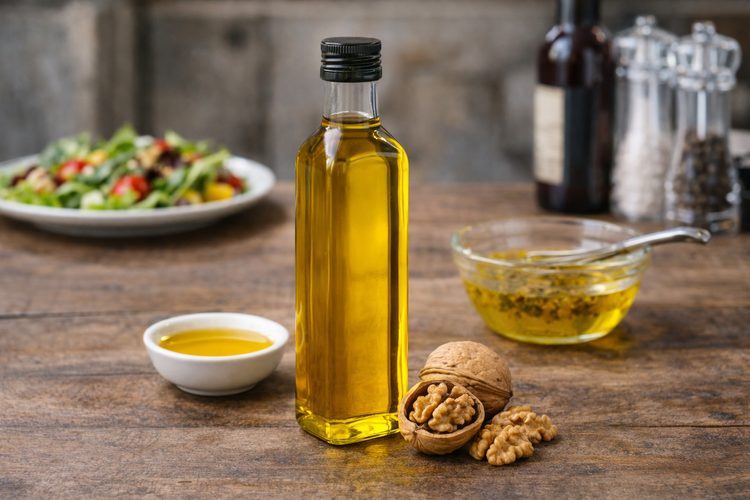
Cold press edible walnut oil is generally positioned as a premium culinary oil where flavor identity, careful packaging and storage discipline are central to the commercial brief.
Technical

Technical buying focus

Cold-pressed edible walnut oils are commonly reviewed for flavor profile, aroma, visual appearance, clarity, filtration state, packaging protection and oxidation management. Buyers often want the product to match a precise culinary use case, whether that means a delicate finishing oil, a bold premium dressing component or a retail bottle line with a defined sensory identity.

Commercial

Commercial planning focus

Commercial programs usually center on market channel, pack size, shelf-life strategy, destination market, shipment rhythm, label direction and whether the product is sold as branded retail, private label, foodservice supply or ingredient input for value-added food applications.

Product positioning

Why buyers choose cold press edible walnut oil

Buyers often select cold press walnut oil because it supports a more premium and differentiated product story than standard multi-purpose edible oils. In retail, it can reinforce gourmet, specialty, natural or premium pantry positioning. In foodservice, it can fit menus that value finishing quality, nut aroma and ingredient distinction. In ingredients and specialty food manufacturing, it can contribute a recognizable walnut note to sauces, dressings, marinades, drizzles and other premium formulations.

The value proposition is usually built around sensory identity as much as function. While some oils are bought mainly for cost efficiency or neutral behavior, walnut oil is often chosen because the buyer wants an oil with a specific culinary impression. That makes consistency especially important. Even when the commercial program is modest in size, buyers generally want confidence that the flavor direction, visual presentation and packaging quality align with the intended market position.

As a result, cold press walnut oil inquiries tend to be stronger when they describe the target use rather than requesting only “walnut oil” in general terms. A buyer who explains whether the oil is meant for premium retail bottles, gourmet gift lines, restaurant use, private label dressings or culinary ingredient systems usually makes the commercial review more practical from the start.

Technical detail

Key points that matter in an edible walnut oil specification

For a premium oil, the technical brief needs to reflect both product character and real market use.

Sensory

Flavor and aroma alignment

Many programs begin with the desired flavor direction. Some buyers want a more delicate walnut note for upscale dressings or finishing oils, while others may prefer a fuller sensory presence for gourmet or specialty positioning. A clear flavor expectation helps frame the right commercial discussion.

Appearance

Clarity and filtration preference

Edible oil buyers often care about whether the oil should present with a more polished appearance, a natural artisanal look or a defined filtration state suitable for the intended pack style. This can influence bottle presentation, premium perception and downstream filling decisions.

Protection

Packaging and oxidation management

Because walnut oil is usually sold on sensory value, packaging choice is closely tied to quality protection. Bottle type, closure logic, fill size, storage conditions and distribution route all matter when the oil must arrive with strong commercial presentation and stable eating quality.

Culinary use

Where edible cold press walnut oil commonly fits

Cold press walnut oil is often used where the oil contributes not just lubrication or carrying capacity, but culinary character. It is commonly positioned in higher-value applications rather than mass-market generic oil categories.

  • salad dressings and vinaigrettes
  • marinades and finishing blends
  • premium table oils
  • specialty sauces and condiments
  • gourmet retail bottle programs
  • cheese, deli and gift-focused assortments
  • restaurant finishing use
  • ingredient systems for value-added foods
Commercial use

Typical buyer profiles

Commercial buyers for edible walnut oil often include gourmet brands, private label developers, specialty food importers, premium pantry programs, foodservice distributors and ingredient manufacturers developing differentiated sauces, dressings or culinary lines. The common factor is usually market positioning rather than purely volume-driven commodity buying.

  • private label retail teams
  • specialty oil brands
  • premium grocery programs
  • foodservice distributors
  • gourmet restaurants and culinary groups
  • dressings and sauce manufacturers
  • export importers and regional distributors
  • gift and specialty foods marketers
Quality and handling

Edible walnut oil needs packaging and storage discipline

For premium edible oils, packaging is not only a transport detail. It directly supports commercial presentation, shelf-life strategy and flavor protection. Buyers often assess bottle material, closure style, fill volume, outer case logic and the likely storage conditions the product will face from packing through final sale. That is especially important when the oil is intended for retail shelves, gourmet stores, gift programs or export distribution with longer transit windows.

Handling expectations can also vary by channel. Foodservice buyers may need larger and more practical formats that still protect product quality. Retail and private label programs may need stronger emphasis on visual consistency, bottle presentation, label geometry and carton efficiency. Ingredient users may focus on controlled bulk handling, refill frequency and how the oil is integrated into dressings, sauces or other value-added products.

Because the oil is commonly bought for premium culinary applications, many buyers want the commercial discussion to cover storage guidance, turnover expectations, shipment planning and pack architecture early rather than treating those details as secondary. A well-defined packaging strategy is often part of the product itself in the eyes of the end market.

Packaging and routes to market

Commercial pack formats depend on channel strategy

Retail

Consumer bottle programs

Retail-oriented walnut oil programs usually focus on premium bottle presentation, label design compatibility, shelf impact, fill size, carton packing and destination-specific consumer information. These programs often support branded or private label specialty oil lines.

Foodservice

Back-of-house efficiency

Foodservice buyers may prioritize ease of use, practical fill sizes, kitchen handling and consistent quality across repeated orders. The commercial brief often centers on case logic, usage frequency and route-to-market efficiency.

Ingredient

Bulk and semi-bulk edible use

Ingredient manufacturers may prefer larger formats when the oil is used in dressings, sauces, marinades or premium prepared foods. Here the focus is less on consumer presentation and more on controlled handling, filling efficiency and repeatable supply.

Private label and export

How commercial requirements change by market

Private label

Brand-ready programs

Private label walnut oil projects usually require more than the oil itself. Buyers often need the program to align with bottle format, closure choice, label dimensions, artwork timing, carton configuration, launch calendar and overall premium positioning. A stronger private label inquiry usually includes intended retail price tier, target channel and first order timing.

  • brand and label positioning
  • finished bottle size direction
  • artwork and launch timing
  • consumer-facing pack logic
  • premium shelf presentation
Export

Destination-specific planning

Export-oriented walnut oil programs require early discussion of destination market, language needs, documentation expectations, case marking and shipping configuration. Bottle-based export programs also need practical alignment between pack style, transit protection and importer capability.

  • destination market and importer brief
  • outer case and labeling direction
  • transit protection and pallet planning
  • shipment frequency and replenishment model
  • market-entry timing and approval steps
Commercial planning

How buyers usually frame an edible walnut oil inquiry

A commercial review becomes more efficient when the buyer identifies whether the requirement is for a one-time launch, seasonal project, recurring retail program, foodservice line or long-term ingredient supply. Volume rhythm affects packaging strategy, production planning, freight economics and the viability of private label execution. Buyers who share realistic monthly or annual demand often move faster from inquiry to a meaningful commercial conversation.

Lead-time expectations also matter more than buyers sometimes assume. Programs that involve finished packaging, export preparation or private label coordination typically need clearer timing around artwork approval, destination readiness and requested ship windows. For ingredient or foodservice programs, the key questions may be replenishment rhythm, warehouse handling and whether the oil is used continuously or only in campaign-based production.

Because walnut oil is commonly sold on premium positioning, commercial teams also often want to understand the buyer’s market goal: gourmet retail, upscale culinary, restaurant use, specialty food manufacturing or regional distribution. The intended channel helps define the correct product story, pack logic and next-step discussion.

Program support

California-origin supply context for premium edible oil buyers

Atlas Global Trading Co. positions cold press walnut oil within a broader California-origin nut ingredient and specialty food conversation. For many buyers, the value lies not only in access to walnut oil, but in building a workable brief around flavor, pack format, logistics, channel fit and destination market requirements. That is especially relevant for importers, premium retailers, foodservice distributors and private label teams that need more structure than a simple commodity quote.

Where the program is retail or export-facing, the commercial discussion usually benefits from early alignment on packaging, documentation, demand pattern and presentation goals. For ingredient users, the conversation may center more on consistent profile, controlled packing and operational fit with the buyer’s own finished products.

Let’s build your program

Discuss a cold press walnut oil (edible) requirement

Use the contact form to share the application, pack format, estimated volume, destination market and target timing. Atlas can review the brief and organize the next commercial step from a California supply, packaging and market-positioning perspective.

Go to Contact Page
FAQ

Frequently Asked Questions

What is the main use of cold press walnut oil (edible)?

Cold press walnut oil (edible) is commonly used in dressings, marinades, finishing applications, premium culinary oils, sauces, specialty foods and selected ingredient systems where walnut aroma and a natural premium position are important.

Can Atlas supply cold press walnut oil (edible) for export or private label projects?

Atlas can review cold press walnut oil (edible) for domestic, export, foodservice, retail or private label programs and discuss packaging direction, commercial structure and destination requirements where the product brief supports the project.

What should buyers specify when asking for cold press walnut oil (edible)?

Buyers should share intended application, pack format, filtration preference, packaging size, destination market, estimated volume, shelf-life target, private label status and target timing so the inquiry can be evaluated properly.

Why do buyers choose cold press walnut oil instead of more conventional edible oils?

Many buyers choose cold press walnut oil for its distinctive walnut flavor, premium culinary positioning, specialty ingredient identity and suitability for high-value applications such as dressings, finishing oils, gourmet retail packs and select foodservice menus.

What packaging formats are common for edible cold press walnut oil?

Commercial programs may be reviewed in retail bottles, foodservice packs, bulk containers or private label formats depending on the intended channel, destination market, shelf-life strategy, label direction and shipment economics.

What technical points matter most in edible walnut oil programs?

Buyers commonly review flavor consistency, aroma, visual appearance, clarity, filtration level, packaging protection, storage conditions, oxidation management and fit with the intended culinary or ingredient application.